Complete Bangladesh Travel Guide 2026
This Bangladesh travel guide covers everything you need to know before visiting, including visas, transport, safety, food, accommodation and costs.
Bangladesh is probably south Asia’s most overlooked travel destination, with most tourists favouring India, Nepal, or even Pakistan.
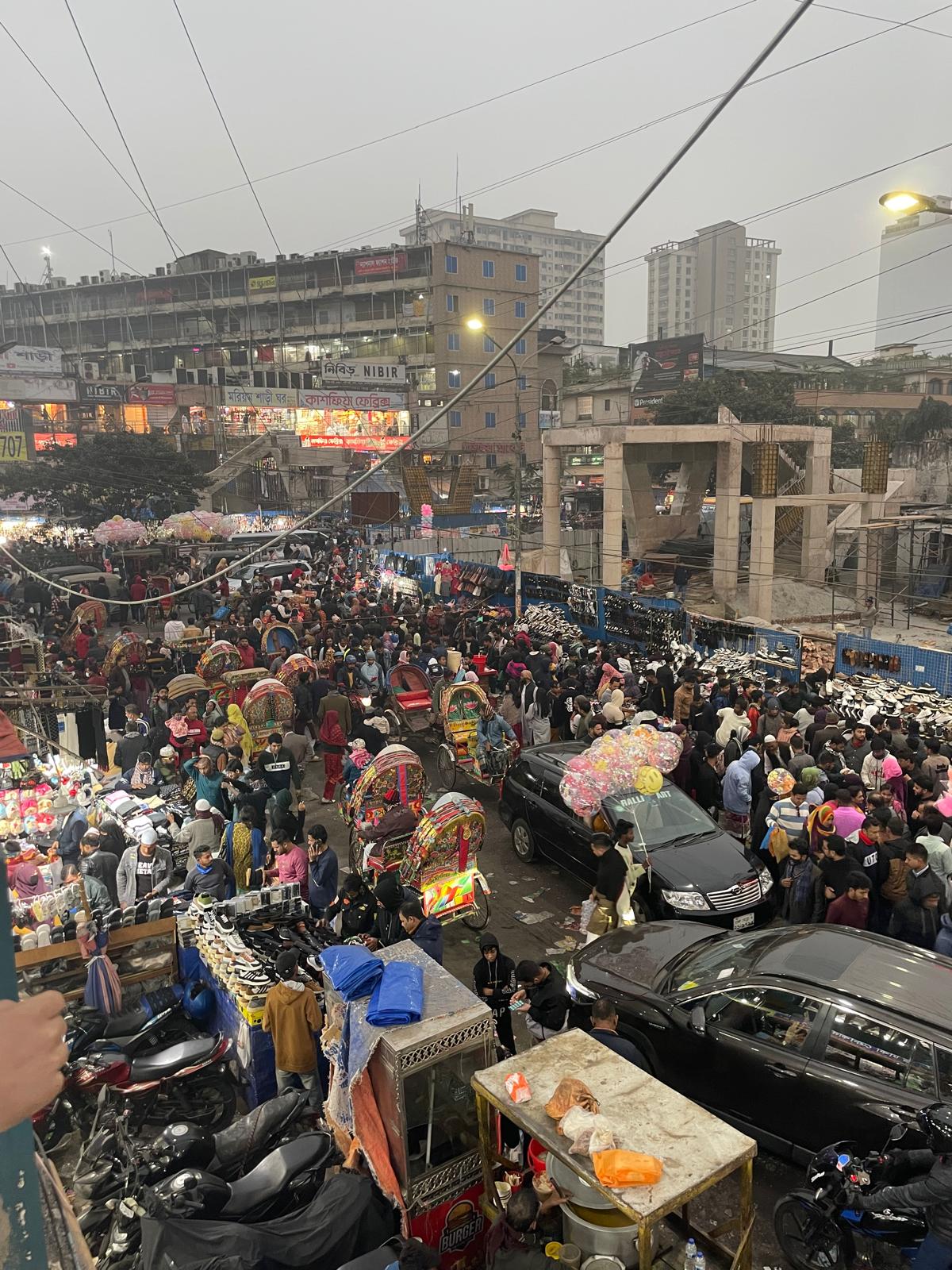
Many people are put off the country because they see it is dirty and overcrowded. While that is certainly true, there is plenty areas in Bangladesh that are peaceful and filled with natural beauty.
In this Bangladesh travel guide you will find:
How to get a tourist visa for Bangladesh
Bangladesh offers a visa on arrival, which you can obtain at the Petrapole/Benapole border and Dhaka’s Hazrat Shahjalal International Airport.
The visa costs 50 USD, which must be paid in cash, except at Dhaka’s Hazrat Shahjalal International Airport, which takes card.
Which nationalities can get a visa on arrival
Bangladesh offers visas on arrival to many citizens of many countries, which can be seen in the list below:
UK and Any country from Europe, USA, Canada, Australia, New Zealand, Russia, China, Japan, Singapore, Malaysia, South Korea, UAE, KSA, Qatar, Kuwait, Oman, Bahrain, Egypt, Turkey, And Brunei.
Countries not on the list can obtain a tourist visa from their nearest Bangladeshi embassy.
How long is the Bangladesh visa on arrival valid for?
The visa on arrival lasts for 30 days and does not permit double entry
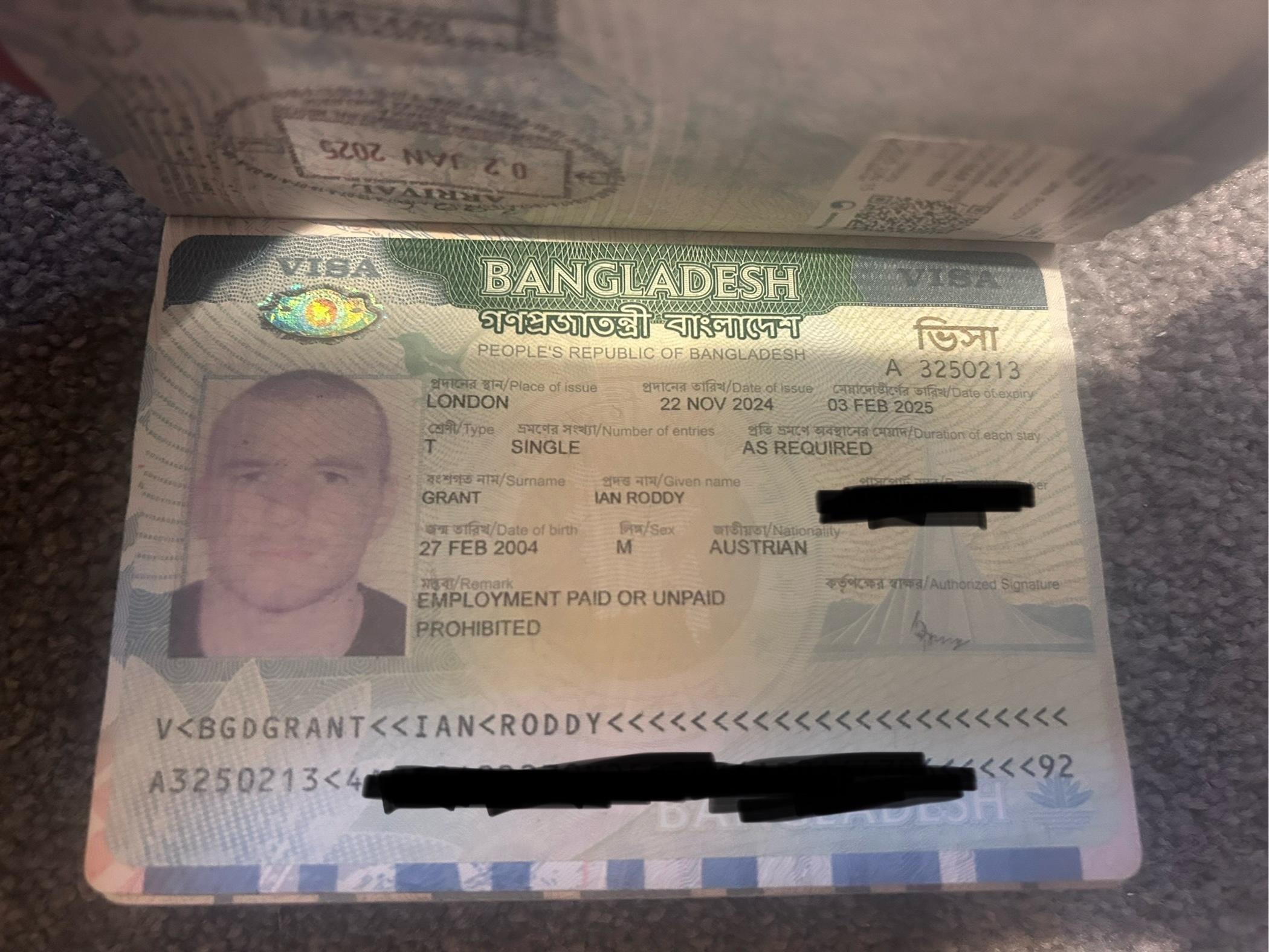
My Bangladesh visa - I got a physical visa so I could get multiple entry
Is it safe to travel to Bangladesh?
You might have seen the July uprising protests which took place in Bangladesh, and perceive the country as dangerous; however I found the country to be very safe and surprisingly far less conservative than Pakistan.
While I personally found the country to be safe, I would make sure to take caution as Dhaka traffic, public buses, and beggars can get extremely chaotic and tiresome, making you seriously question why you came to Bangladesh.
The border areas with Myanmar should be avoided, as there are regular reports of gang violence, such as shooting incidents, drug seizures, and kidnappings.
Money in Bangladesh
Currency in Bangladesh
Bangladesh uses the Bangladeshi taka (BDT). The currency conversion is approximately:
1 USD = 123BDT or 1 GBP = 166 BDT
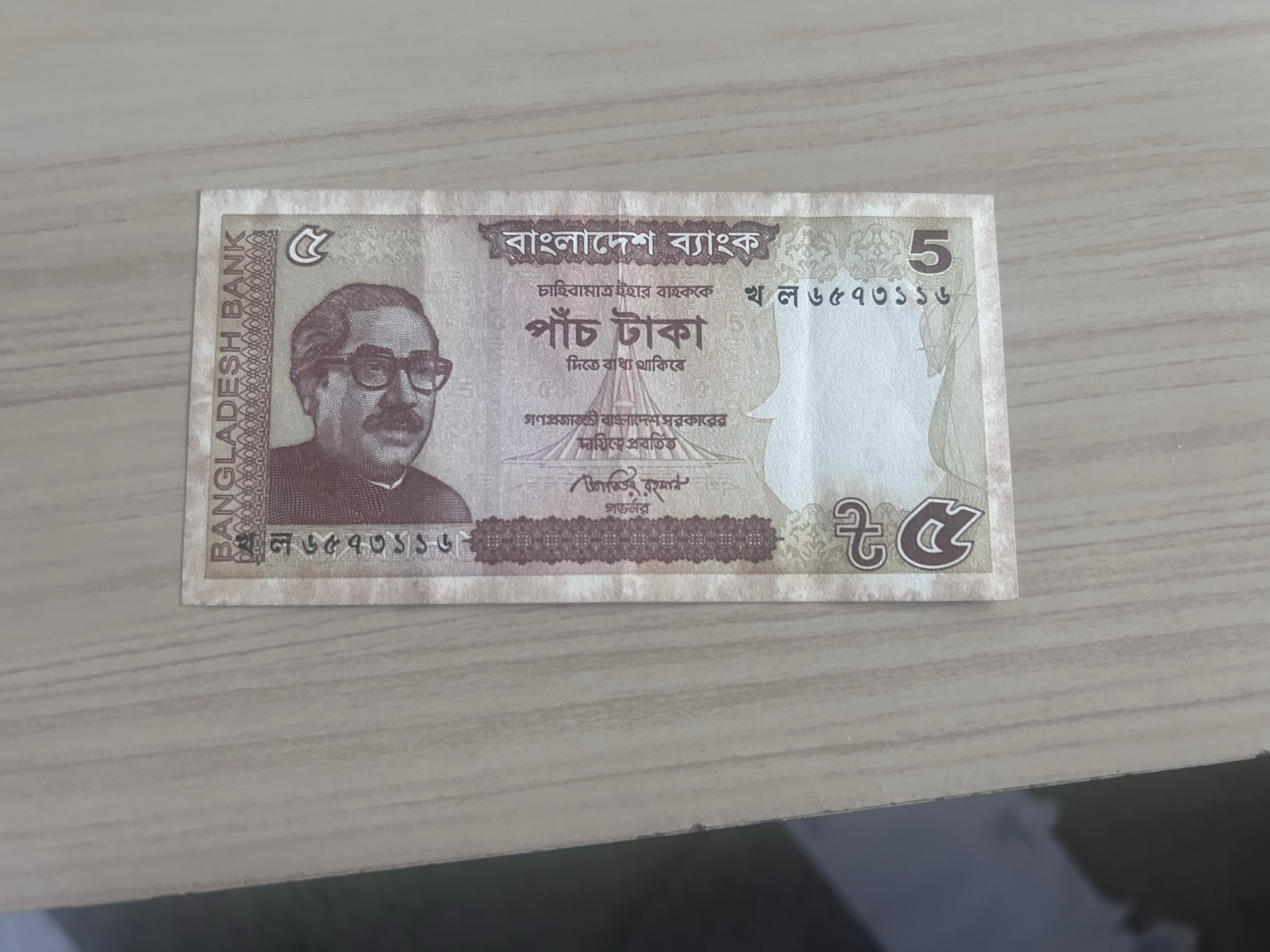
A five Taka note from Bangladesh
Using ATMs money exchanges, and credit cards in Bangladesh
In Bangladesh, there are plenty of ATMs; however, it is important to be careful as many ATMs can be extremely slow or may not work. I personally had my credit card swallowed by an ATM in Sreemangal (which I was able to get back).
Bangladesh has many money exchanges all over its cities, especially in Dhaka, which has plenty all over the city.
Traveling in Bangladesh requires you to almost exclusively use cash, unless you visit a shopping centre or a more established restaurant.
How much does it cost to travel in Bangladesh
Bangladesh is one of the cheapest countries in the world, if not the cheapest. To give you an idea, these are the cost of typical things:
Hostel in Dhaka - 1000 BDT
Budget Guest House -1000-2000 BDT
Mid range hotel - 3500 BDT
5 Star Hotel - 10000-12000 BDT
Local meal - 150 BDT
Short tuk tuk or rickshaw - 20-50 BDT
Long Tuk Tuk or rickshaw ride 300-500 BDT
Metro in Dhaka - 10BDT per stop
Train with AC -500 - 2000 BDT depending on the distance
Bus from Dhaka to another city - 700 to 1500 BDT depending on the distance
Backpacking Bangladesh can be done very easily on $20 a day
Best time to visit Bangladesh
The best time to visit Bangladesh is most definitely from November to February, as the weather is cool, dry, and sunny, with the temperature averaging around 18-25 degrees Celsius.
Visiting during spring is okay but may become unbearable very quickly as it can get extremely hot, humid, and dusty with weather often hitting over 40 degrees Celsius.
June to October is the monsoon season, and should be completely avoided as the weather is extremely humid and heavy flooding can often disrupt transportation.
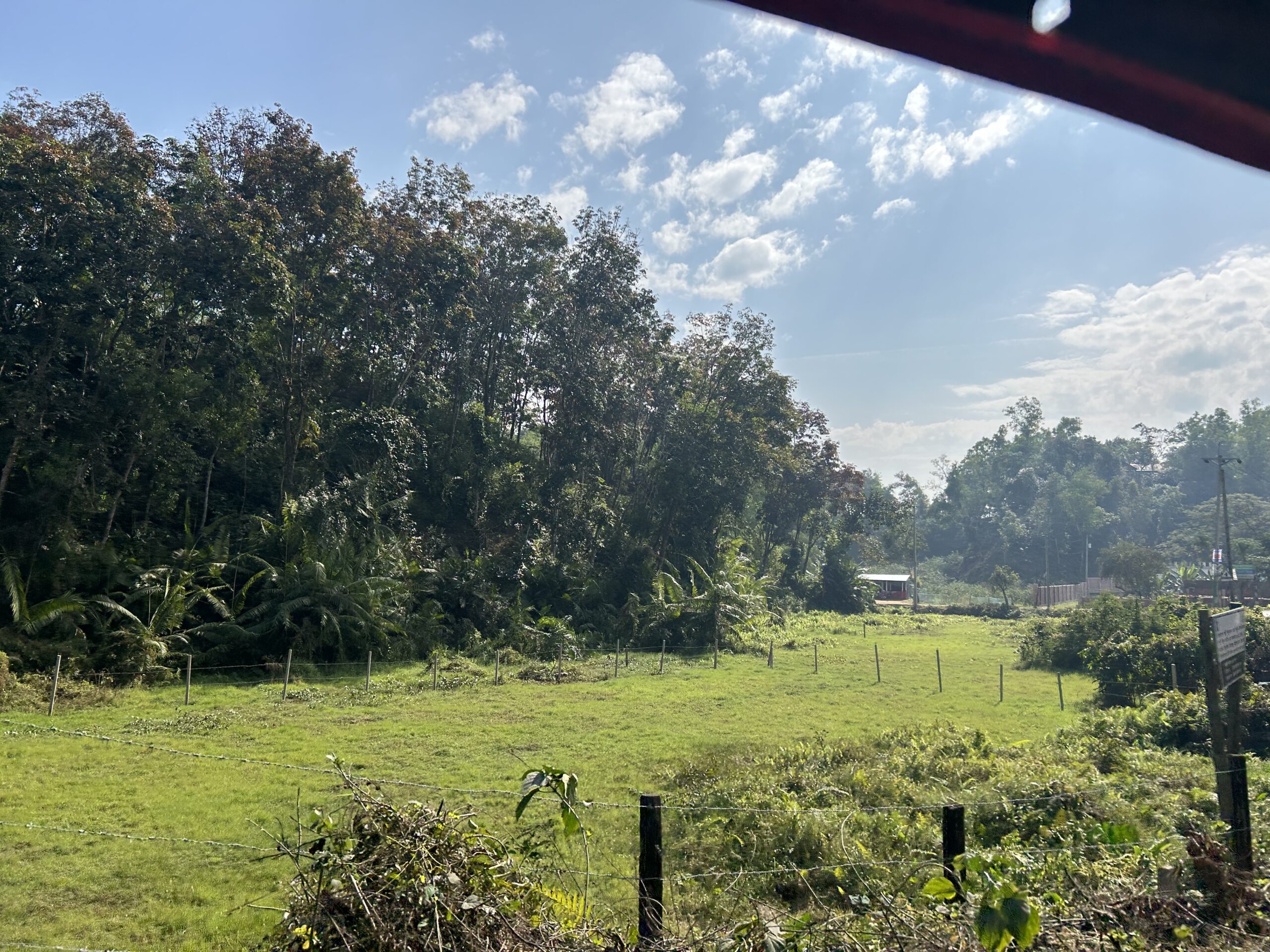
Nice, cool sunny weather in Bangladesh during December
How to travel around Bangladesh
Getting around in Dhaka
Uber - Uber is available in Dhaka and is useful for actually getting to your destination without having to deal with the major language barrier between you and the driver. However, do note that waiting for an Uber to actually arrive can take ages due to the extreme traffic.
Rickshaw/tuk-tuk - Flagging down a driver can be relatively easy and can be cheeper but I found there was often a problem with the language barrier as drivers would say they knew where they were going and end up getting lost.
If you are flagging down a driver, always make sure to agree on a price beforehand.
Metro - Personally, I found the metro the easiest and most comfortable option for transport in Dhaka. The metro runs from 7:10 AM to 9:40 PM every day except on Fridays, when it opens after 3:00 PM. The metro only costs 10 BDT per stop and is newly built with air conditioning which makes the experience pleasant.
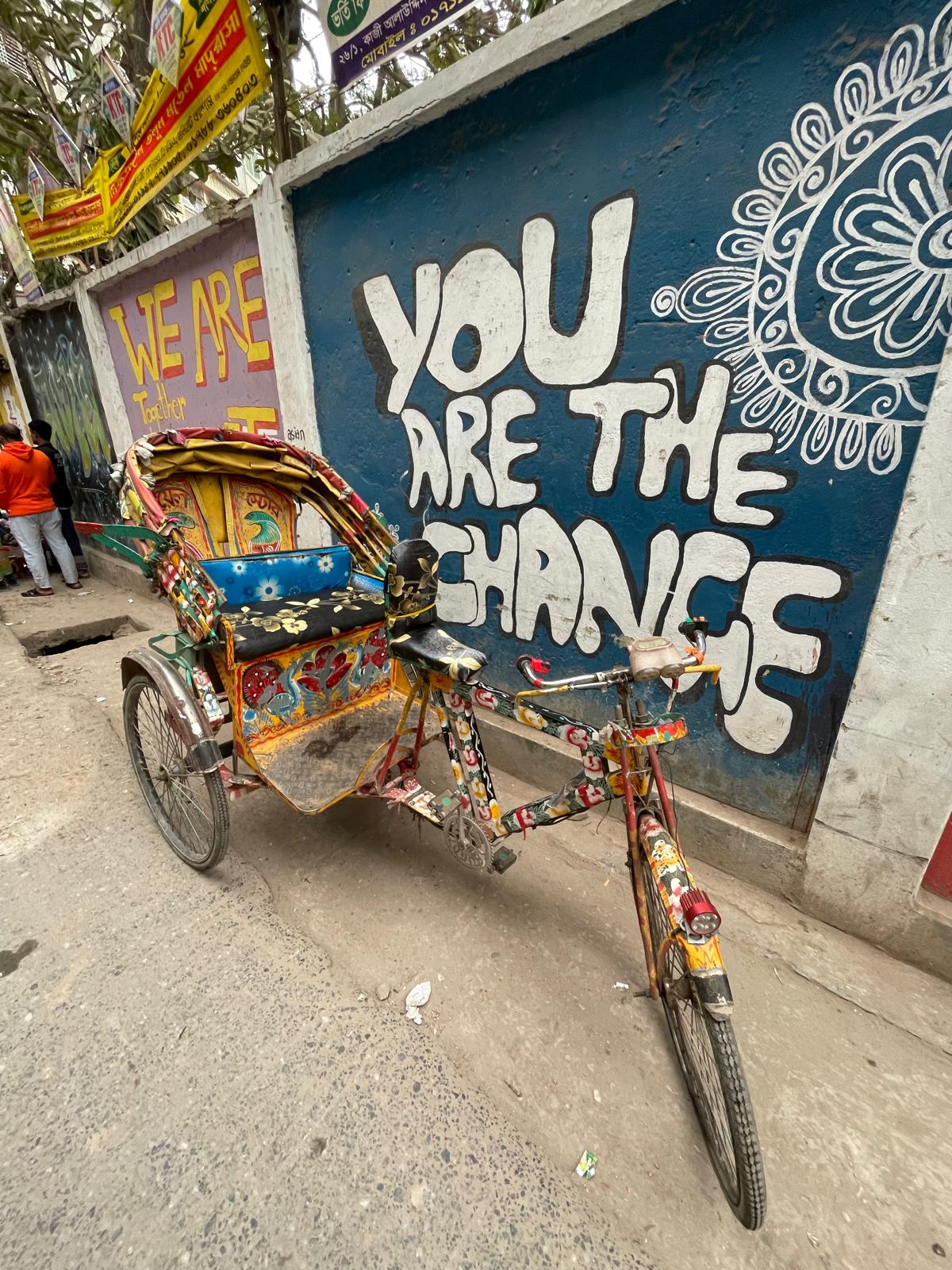
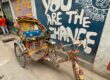
One of the many rickshaws in Dhaka
Traveling around Bangladesh
Train - The train in Bangladesh is extremely cheap and comfortable if you get an AC berth. It goes to practically all the major cities and destinations in Bangladesh. However, the biggest issue with the train is that you need a Bangladeshi phone number to book the train and if you wait till you get to Bangladesh to book the train, then the likely situation is that it will be sold out if you are taking any of the main routes, such as Dhaka to Sreemangal or Dhaka to Cox's Bazar.
Note - If you want to take the train, I recommend contacting your hotel before you arrive to see if they can book it for you.
Bus - Taking the bus in Bangladesh is certainly not for the faint-hearted. Personally, I found the bus drivers in Bangladesh to be the worst in the world and the conditions of the buses to be just as bad! However, if you do want to book a bus, then it is very easy. There are plenty of bus counters by Arambagh which sell bus tickets for all over Bangladesh.
Note that highway robberies can be a common occurrence during the night, so avoid getting a night bus!
Plane - Traveling by plane is most definitely the option I recommend, as flights can be booked for all the main cities for as little as $30 and removes all the stress of finding a train or a bus.
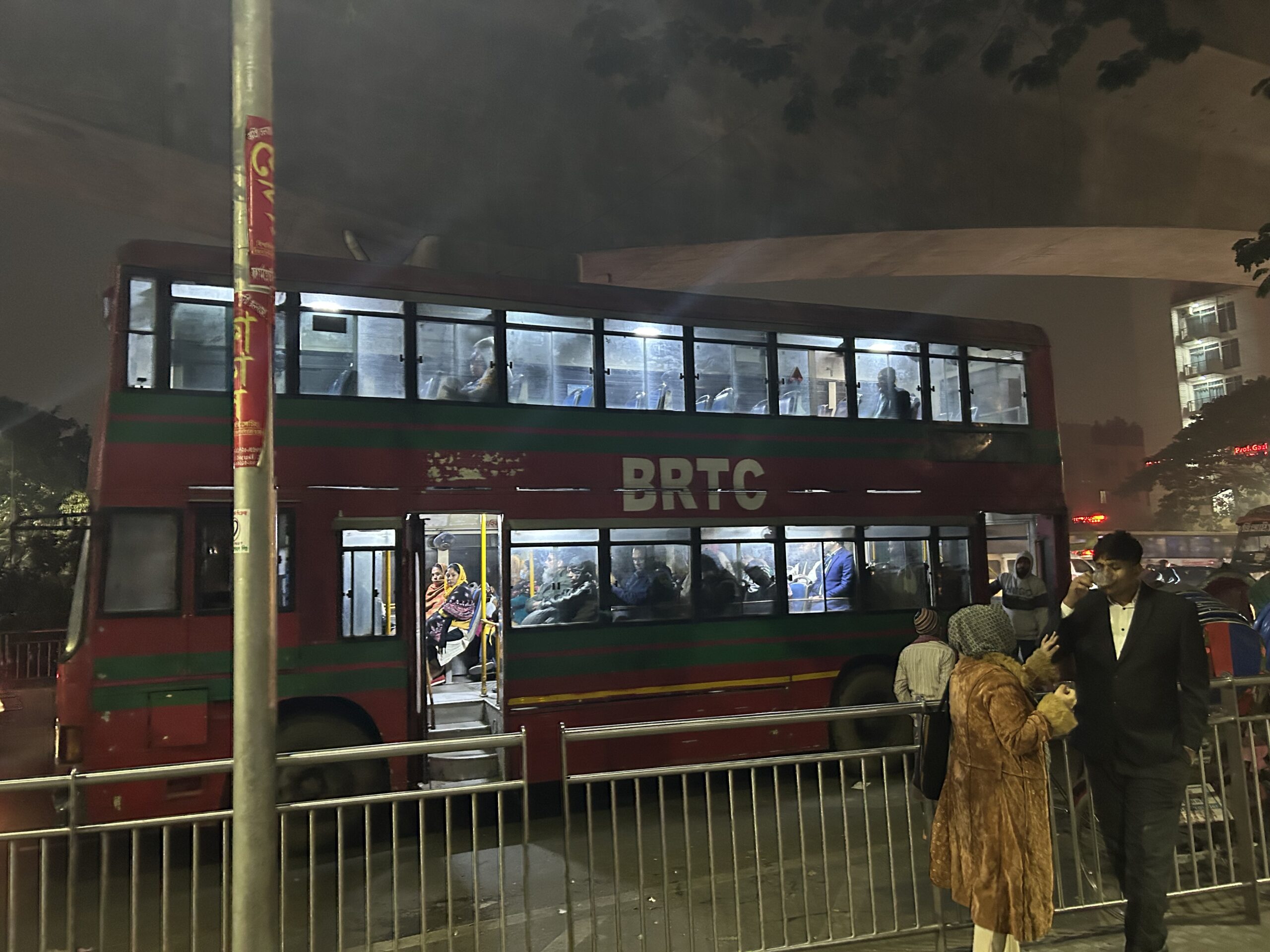
An old British double decker bus in Dhaka
Accommodation in Bangladesh: Where to stay in Bangladesh
In Bangladesh there is a good range of accommodation options. You can choose from guesthouses to homestays, hotels and even a few hostels in Dhaka.
Internet in Bangladesh
Wifi - The wifi in Bangladesh I found worked surprisingly well compared to what I found in India and Pakistan. It is definitely not super fast but quick enough to do all the basic things.
SIM card - Getting a local SIM card in Bangladesh requires you to bring a photocopy of your passport and two passport sized colour photos of yourself. You can buy a SIM card pretty much anywhere and it is extremely cheep.
eSIM- I personally recommend getting an eSIM as it saves the hassle of landing without data and trying to navigate your way around the city. I personally used Maya and found them to have a great connection all over Bangladesh.
Food in Bangladesh
Like the rest of South Asia, Bangladeshi food is seriously rich and spicy. The main differences is that I found is that the food is almost always served with rice over bread, and fish is everywhere and a massive part of the cuisine.
My favourite dishes
Kacchi biryani - This is probably Dhaka’s main dish, consisting of rice, mutton and potatoes, cooked with spices ghee.
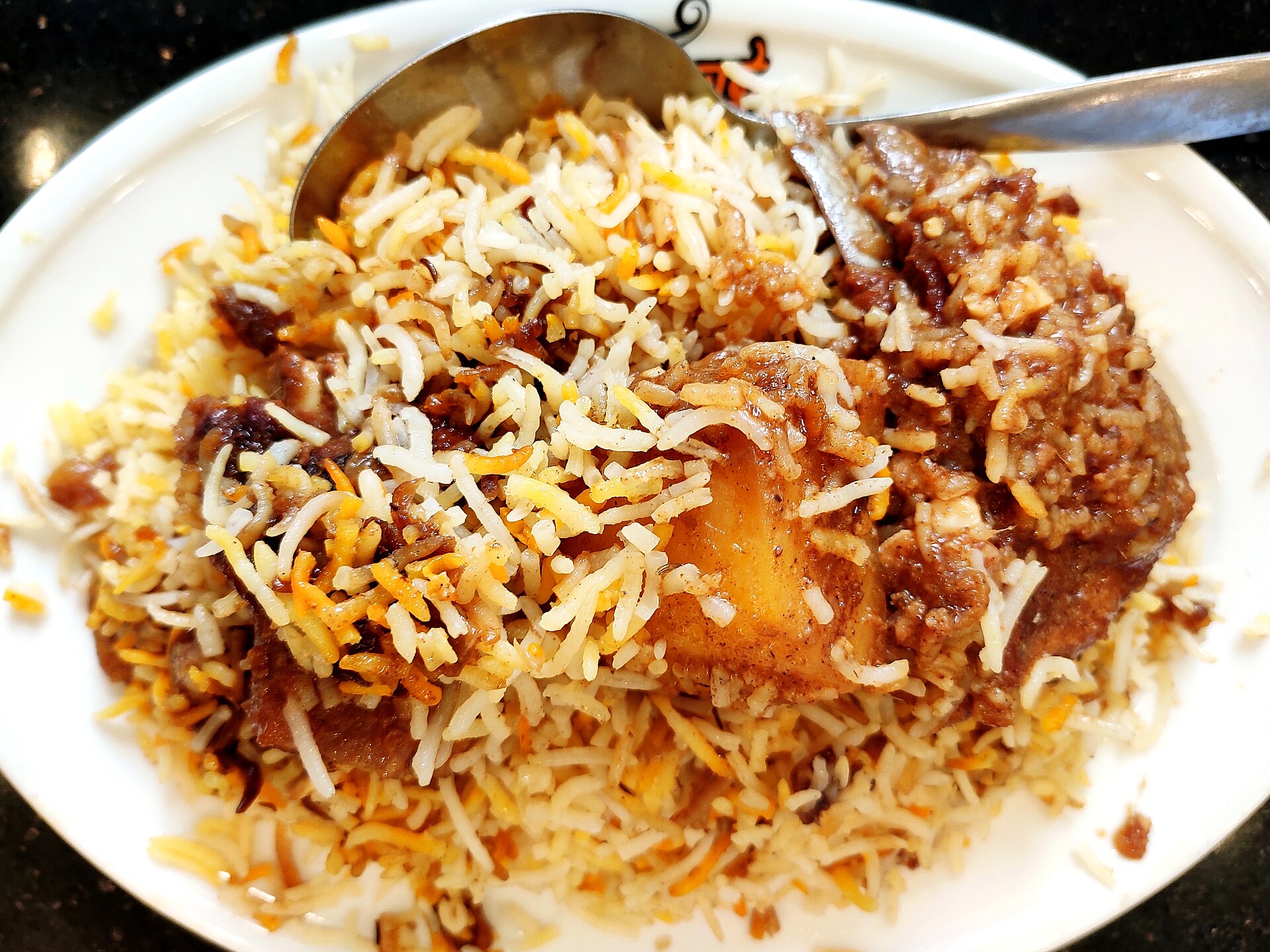
Kacchi biryani
Ilish bhapa - Hilsa is Bangladesh’s national fish and extremely tasty but can become a bit annoying when having to deal with all the small bones. This dish is pretty much fish steamed in a strong mustard sauce but is very tasty.
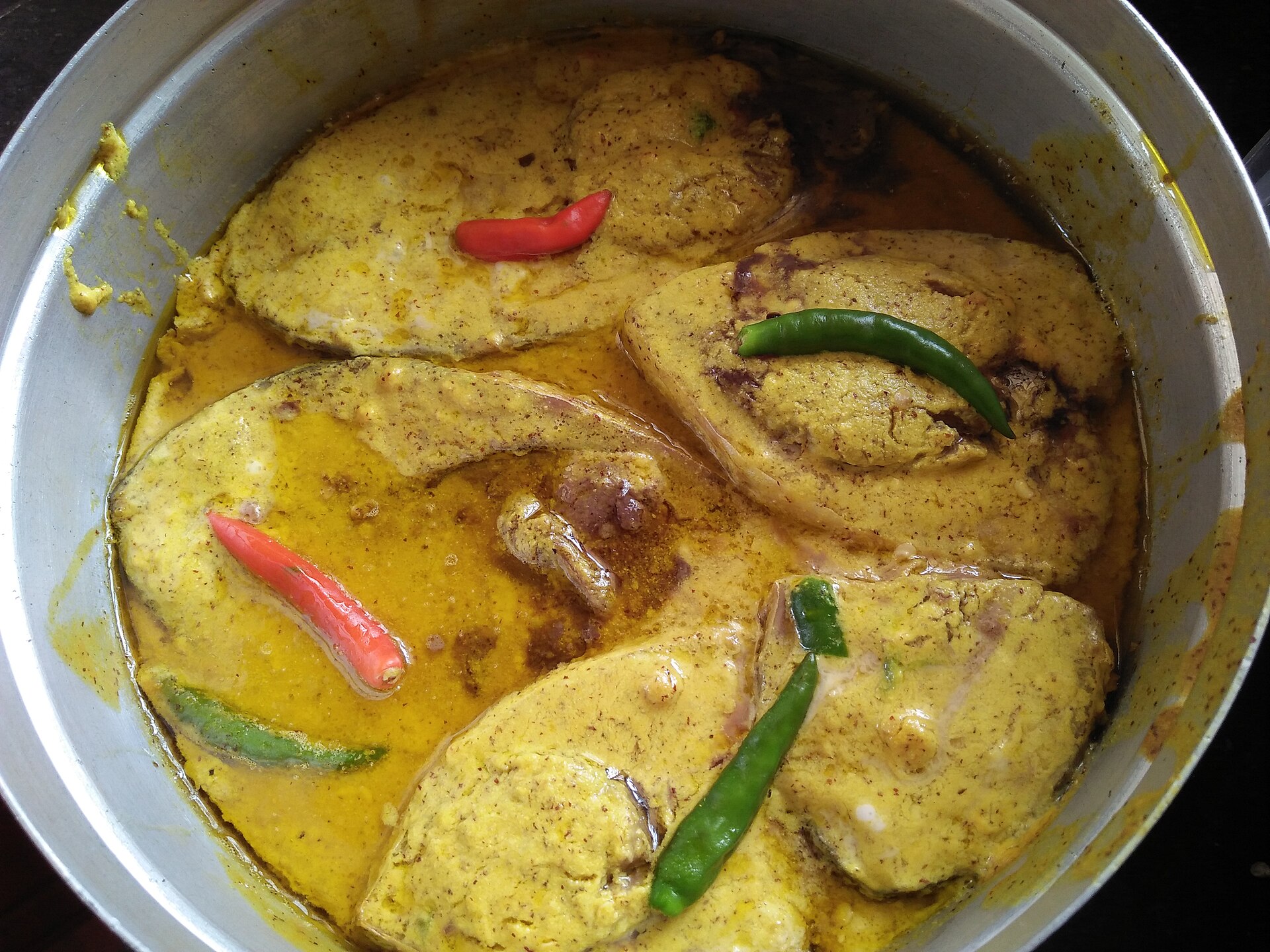
Ilish Bhapa
Haleem – This is thick stew of meat, lentils and wheat that is especially popular during Ramadan.
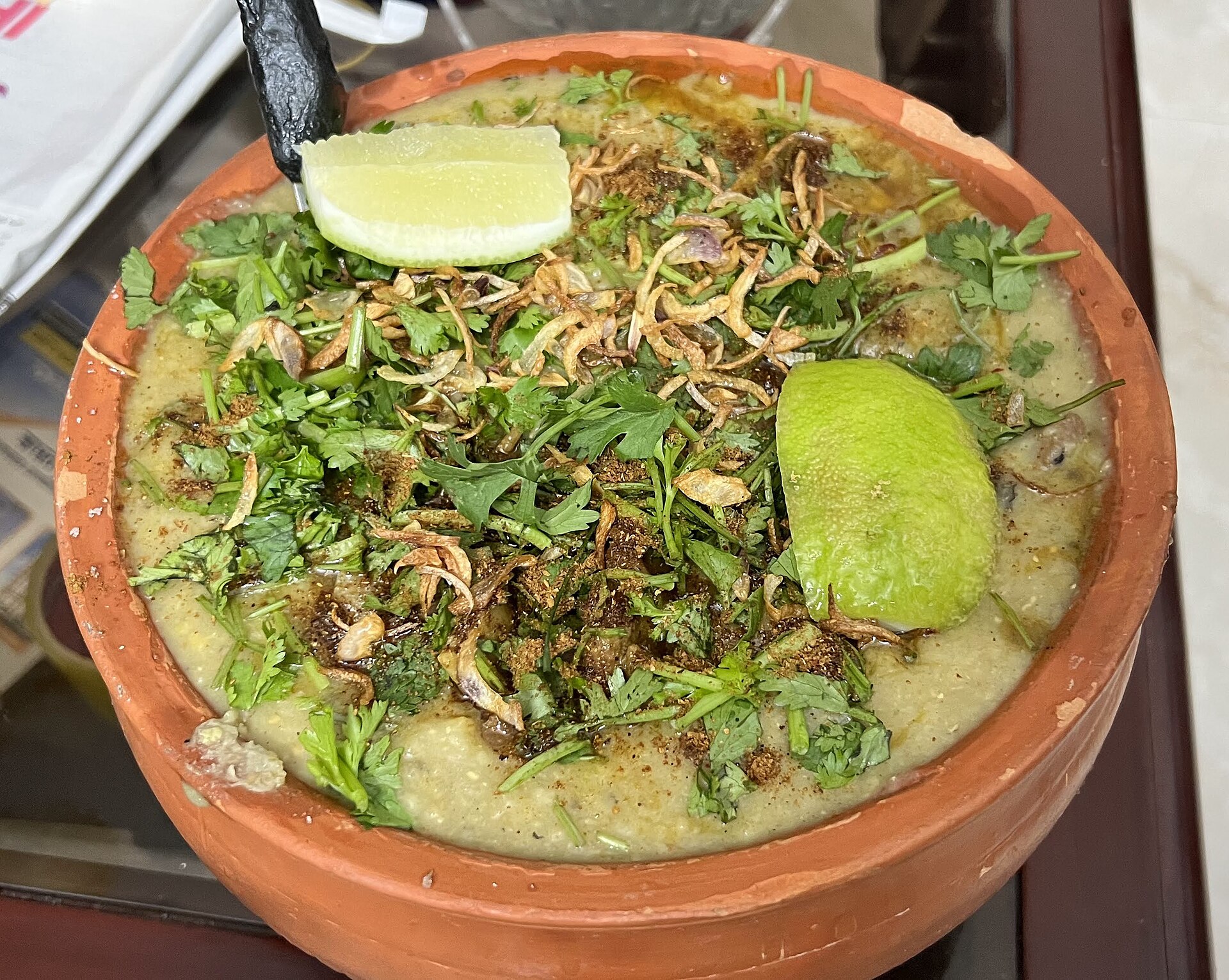
Haleem