10 Best Things To Do In Dhaka
Looking for the best things to do in Dhaka? Bangladesh's chaotic capital is packed with fascinating history, colourful markets, incredible street food and some of the friendliest people in South Asia. This guide covers the 10 best things to see and do in Dhaka.
Dhaka isn’t a city that tries to impress with polished streets or stunning scenery. Instead it overwhelms your senses with different sounds and sights from the moment you arrive. The rickshaws, calls to prayer, and busy markets make many people feel overwhelmed.
For many travellers coming to Bangladesh, Dhaka is just a city to fly into before heading to the Sundarbans or tea plantations. But it would be a mistake not to at least explore the city, which offers a unique mix of Mughal history, vibrant street life, incredible food, and some of the best hospitality you’ll ever experience.
You might have been to Delhi and hated it, therefore thinking that you will also hate Dhaka. I don’t deny that this might be the case, but I personally hated Delhi and really enjoyed my time in Dhaka. Therefore I urge you to properly explore the city.
Here is my list of the 10 best things to do in Dhaka based on my personal experience.
1 - Wander the streets of old Dhaka
If there is one area that captures the spirit of Dhaka, then it has to be Old Dhaka. The place is just a maze of narrow alleyways, bustling markets, and old buildings from its colonial period. Getting lost in the streets is definitely the best way to explore the city and a find spontaneous things to do in Dhaka.
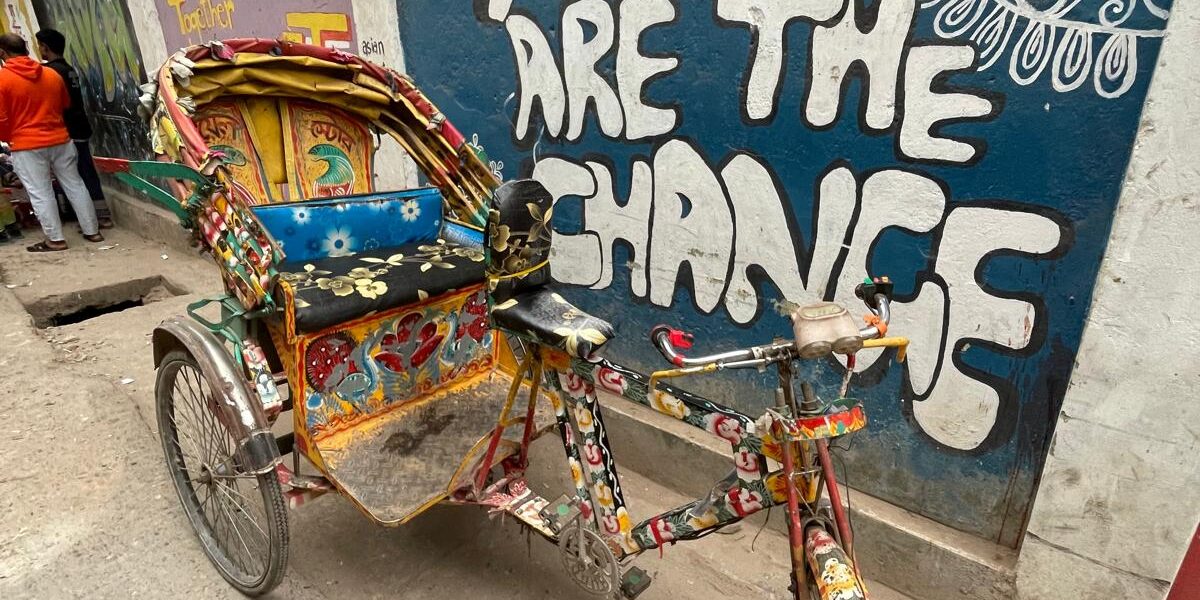
Every corner you turn in Old Dhaka just seems to offer something different, from colourful rickshaws squeezing through impossibly narrow lanes, to shopkeepers selling almost anything you can think of. The streets are definitely crowded and chaotic, but that’s what makes it so unforgettable.
Also, I always found the best food to be down some of the smallest alleys!
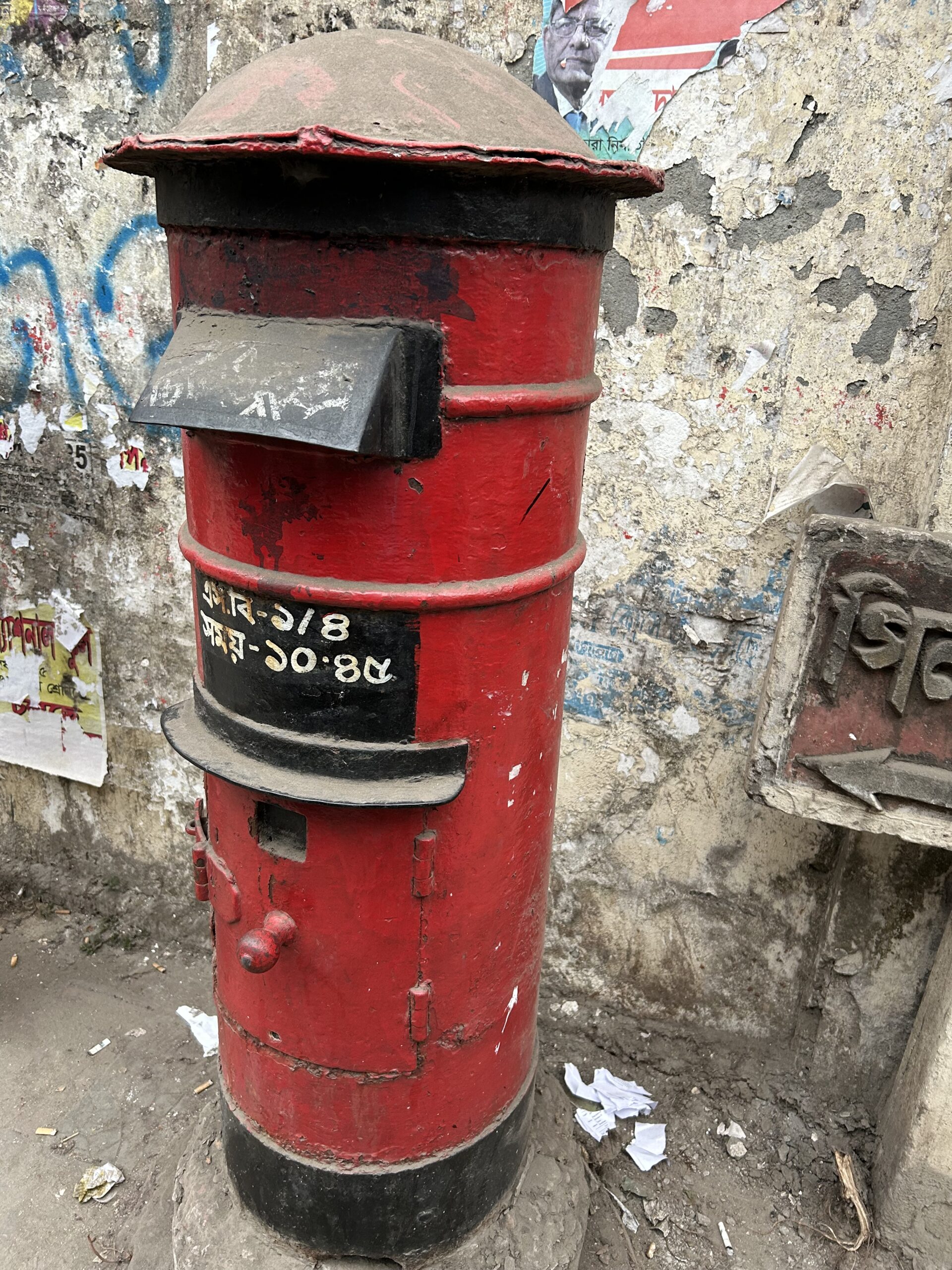
An old British post box I found in Old Dhaka
2 - Explore the Sadarghat River Port
The port dates back all the way to the 17th century and is the main gateway connecting Dhaka to other riverside cities and villages.
The port is located in Old Dhaka and is easy to access with a small fee of 10 BDT.
Once you are on the port you can jump on pretty much any ship and go explore. On most of the ships, I found the people working there were pretty happy to show us around so we could see what it is like for families going home to their villages.
I personally recommend that you just go and book a random trip on a ferry to a nearby town so you can go and explore. Somewhere different.
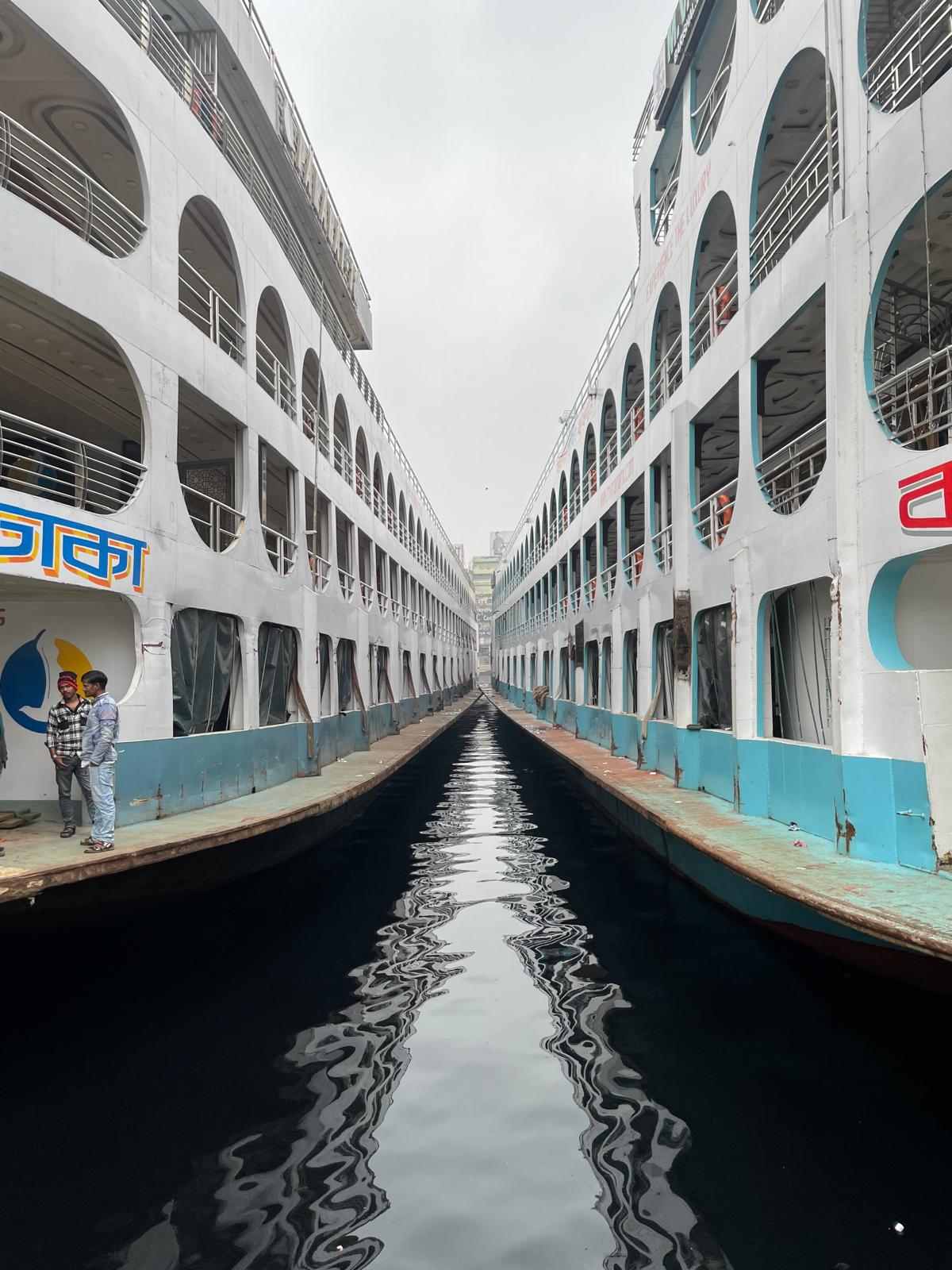
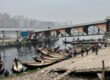
Two Ferries docked at the port
3 - Take a Boat Across the Buriganga River
Experiencing this is definitely one of the best things to do in Dhaka. Taking a wooden boat across the river gives you a chance to see a new perspective on the city.
The crossing itself is over pretty quickly and costs relatively little (I paid 100 BDT, but I reckon it is probably cheaper if you are a local), but I found the experience thrilling, weaving between larger boats and watching the chaos unfold at the port.
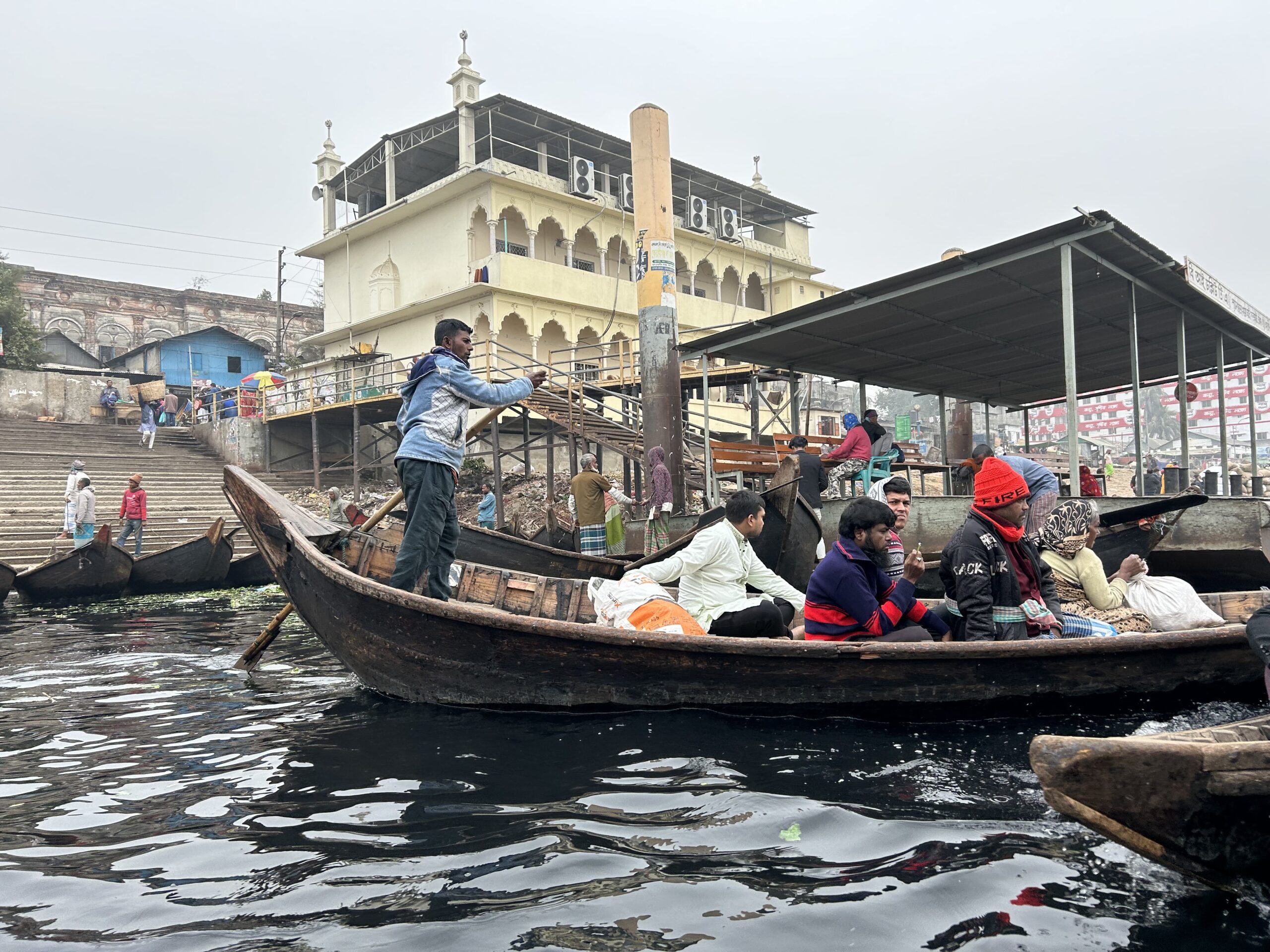
One of the wooden boats on the taking passengers across
4 - Explore Dhaka shipyard
After crossing the Buriganga River on a wooden boat, you need to visit the Keraniganj shipyard.
After the Liberation War, Bangladesh needed to completely reconstruct its damaged river transit systems. The Keraniganj shipyard therefore evolved rapidly to produce cargo ships all over Bangladesh.
Because of the severe storms in Bangladesh, the country realised it was cheaper to recycle the ships than to buy new steel. This now means that the shipyard is one of the few in the world that has virtually zero waste and recycle everything.
I truly found this place one of the most fascinating sites. Watching them work is admirable as you just walk around watching many old and tired Bengalis welding and building ships just barefoot as sparks go flying everywhere.
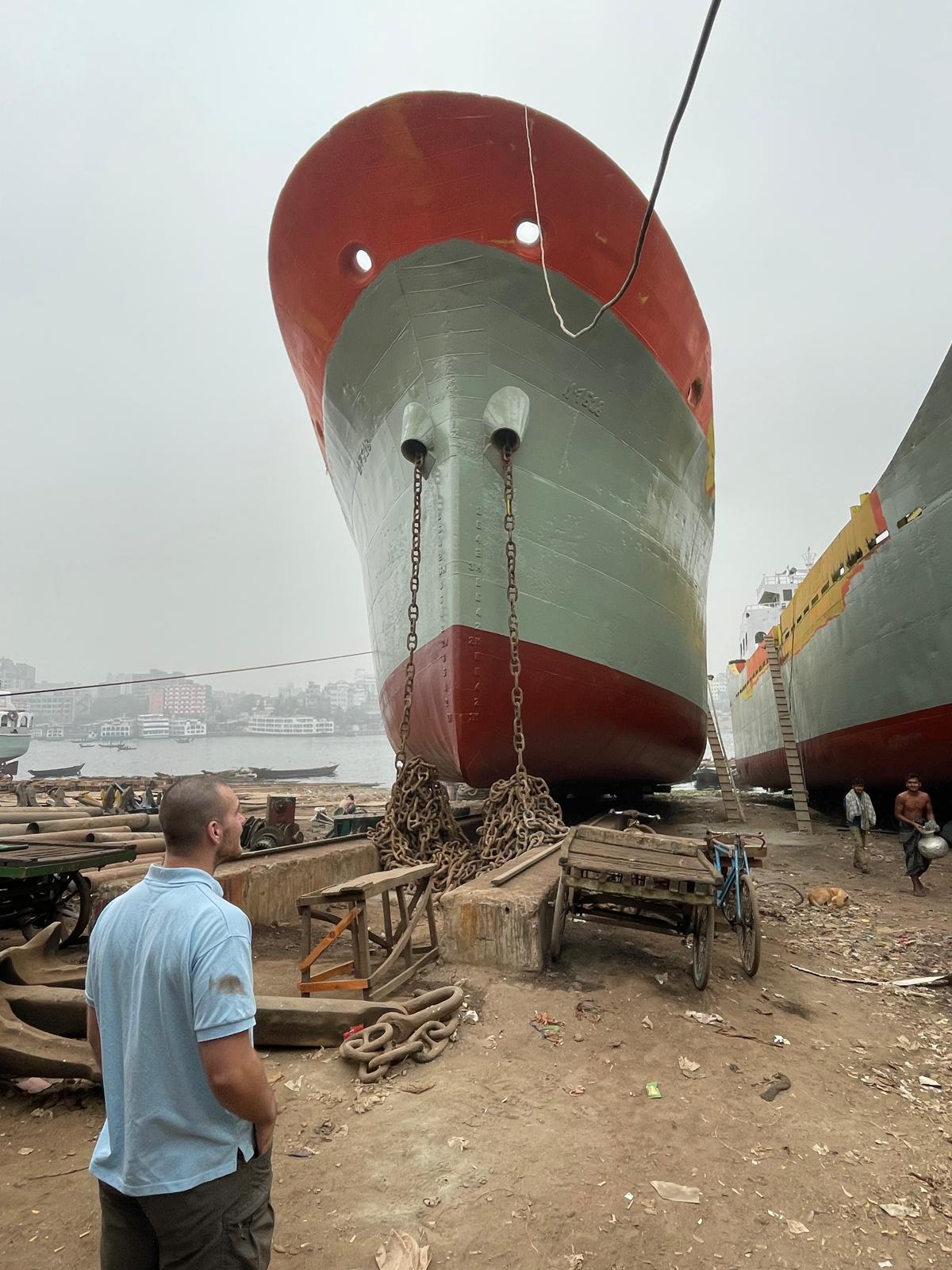
staring at one of the ships nearly built and ready to be docked my favourite thing to do in Dhaka
5 - Visit Panam City
Panam City is located around 30km outside Dhaka and takes probably about an hour and a half to reach. To get there, the easiest way is to just flag down a rickshaw.
The ancient city is probably Bangladesh’s most fascinating historical site. The place was once a major trading hub along the Silk Road and flourished during the 19th and 20th centuries before gradually becoming abandoned.
Walking through Panam City feels like going back in time. The main street is filled with a mix of European, Bengali, and Mughal architecture and is much quieter compared to the heart of Dhaka.
Panam City is located in the former medieval capital of Sonargaon so it also worth visiting the nearby Folk Art and Craft Museum.
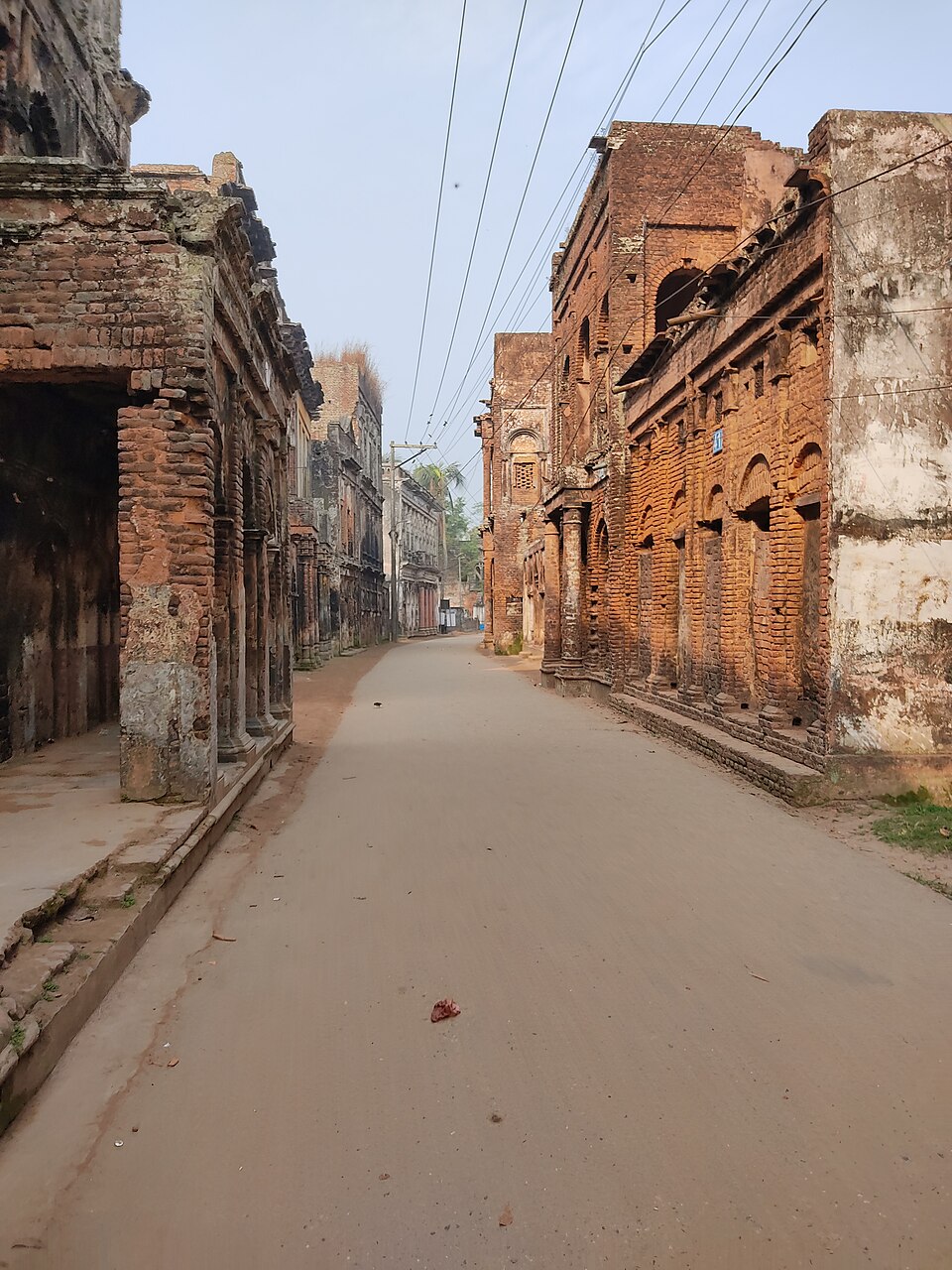
Historic main street of Panam city
6 - Visit Lalbagh Fort
If you are interested in the Mughal Empire, then you will enjoy Lalabagh Fort as it is one of Dhaka’s most iconic landmarks and one best things to do in Dhaka.
The complex is actually unfinished as the prince who started building it had to leave Dhaka to help his father in wars elsewhere.
The fort is right in the heart of Old Dhaka and costs just 200 BDT to enter. Once you are in you can spend plenty of time walking around the complex and relaxing in the gardens.
There is also a building just opposite the entrance which has a few restaurants in it. In this place, you can walk right to the top of the stairs and get a brilliant view of the whole complex.
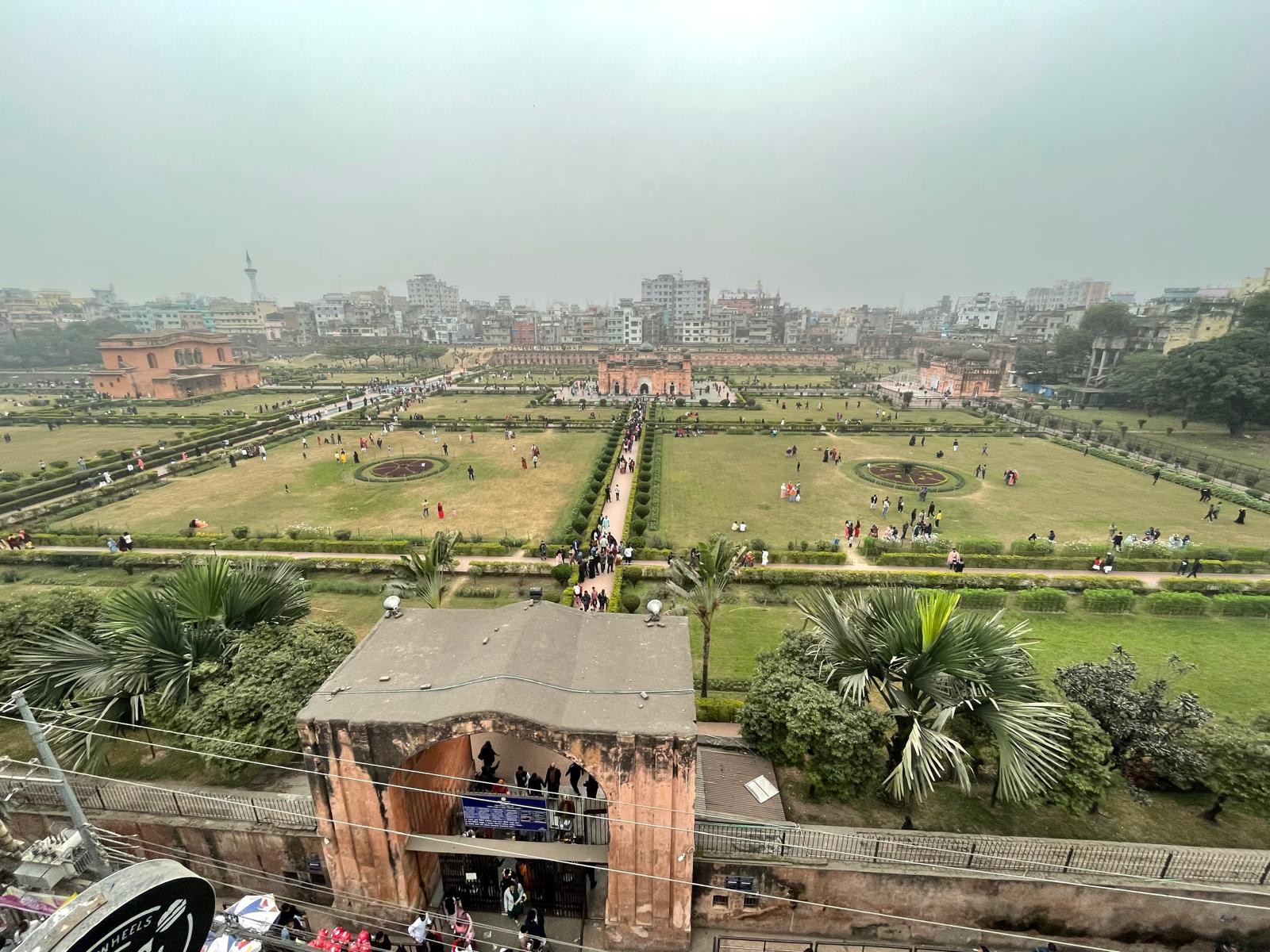
A view of the complex from a building opposite
7 - Visit Ahsan Manzil
This place is arguably the most recognisable place in Dhaka purely because of its bright pink colour. The place is a 19th-century building which used to house Dhaka’s wealthiest and most influential rulers during the British colonial period.
Nowadays, the place has been restored and turned into a museum that showcases the life of the Nawab family.
To be honest, I’m not a big fan of museums and generally just find myself aimlessly walking around inside them or quickly scurrying through. So, if you’re like me and not interested in museums, I still highly recommend visiting it just to see the beautiful palace.
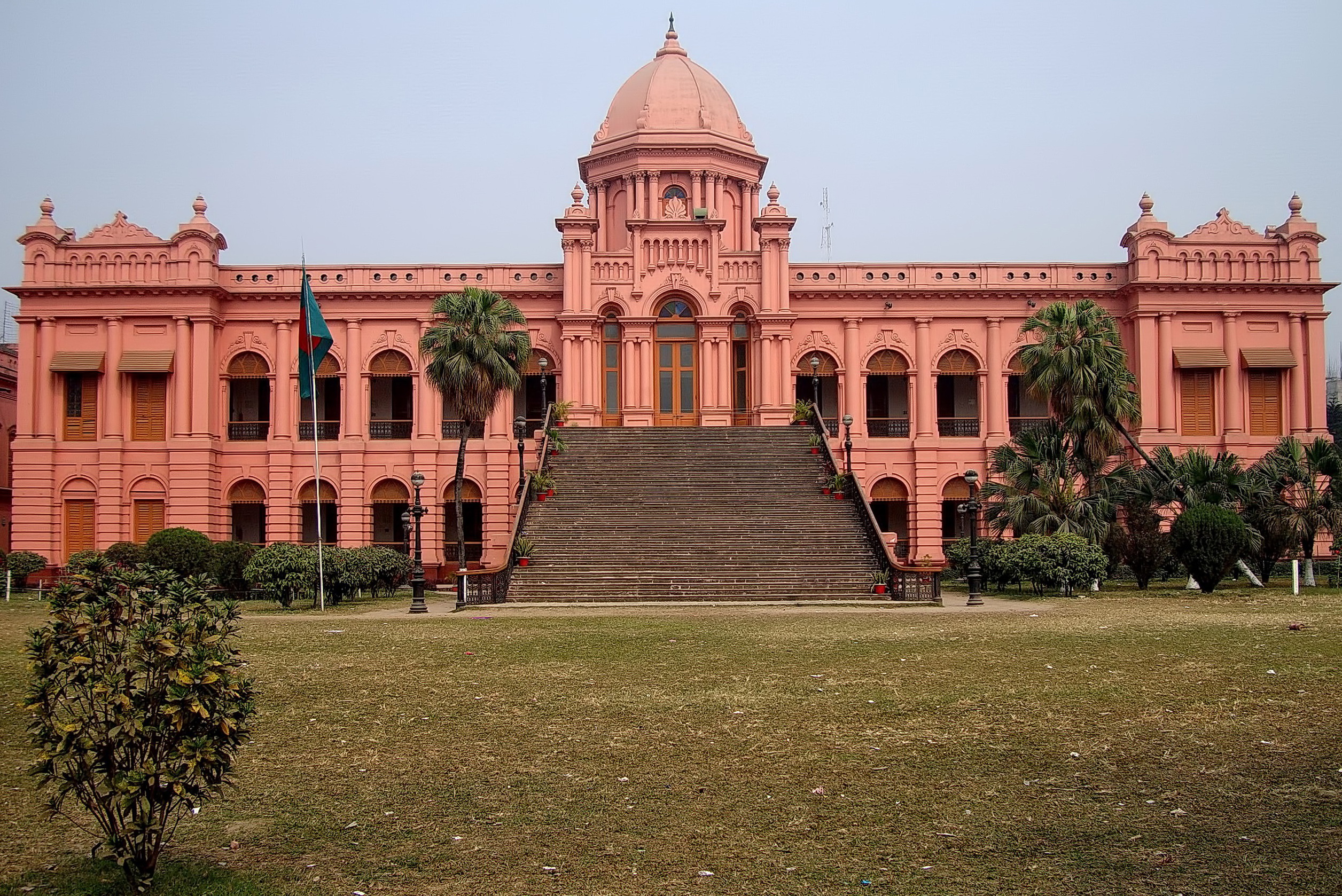
Ahsan Manzil
8 - Visit the Armenian Church
This is probably the only place in Dhaka that I can remember where I actually found some real peace and quiet.
The church was built nearly 250 years ago and is a true reminder of the Silk Road, massively contrasting with the strong Muslim presence.
Initially I thought I couldn’t enter as the gates were locked, but soon enough a local man came over and let us in. All I had to do was just sign my name in a book and then I was free to look around the place.
The place is maintained by overseas Armenians and a few local caretakers. You can leave a donation at the church, which will help to sustain the place.
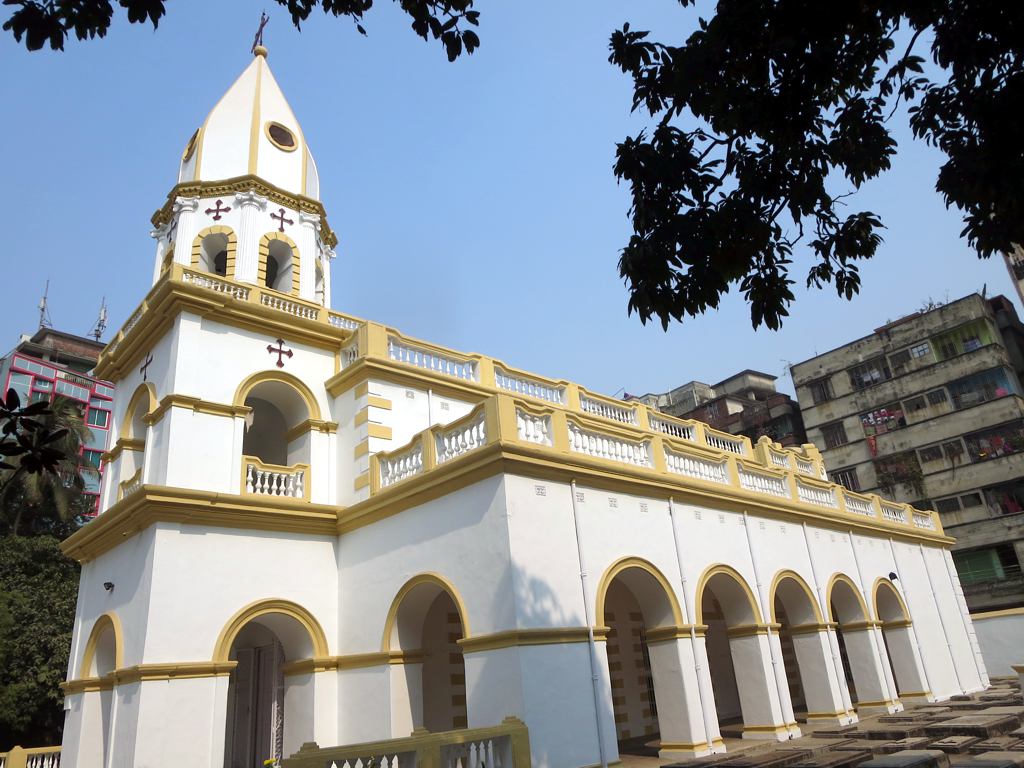
The Armenian Church
9 - Explore Dhaka University
Dhaka University was the first place I visited in Dhaka and the thing that shocked me the most was how liberal it felt walking around grounds. In a country that is so heavily Islamic, I was surprised to see many women without any head coverings and many couples showing public affection in public.
The university is one of the most prestigious in South Asia as it has played a key role in much of Bangladesh’s history. When walking around the campus, you will stumble upon many monuments and memorials where you can learn about Bangladesh’s history and its journey to independence.
I visited the campus at night, and I think this is the best time to visit as you can take a seat and relax in front of Swadhinata Stambha, which lights up at night.
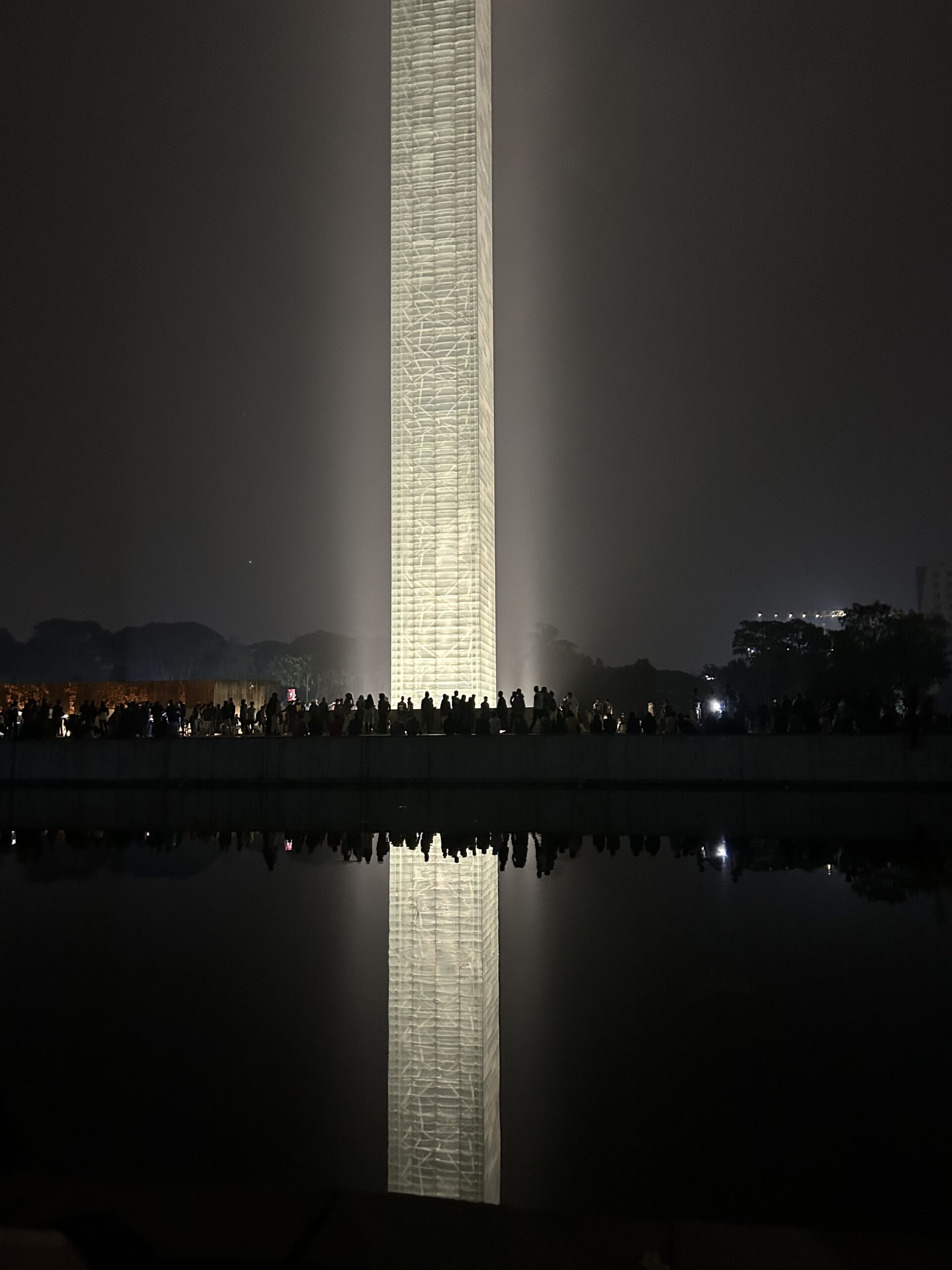
Swadhinata Stambha - Situated right by the university
10 - Visit the National Parliament Building
The parliament building is a great place to visit as it allows you to get out of Old Dhaka and explore another area of the city.
I recommend visiting after dark, as the building lights up and creates a really cool reflection on the water surrounding the building. Getting there is also fairly easy as you can just jump on the metro to Bijoy station.
Once there, you can also walk around the park, or if you come earlier in the day you could check out the Military Museum.
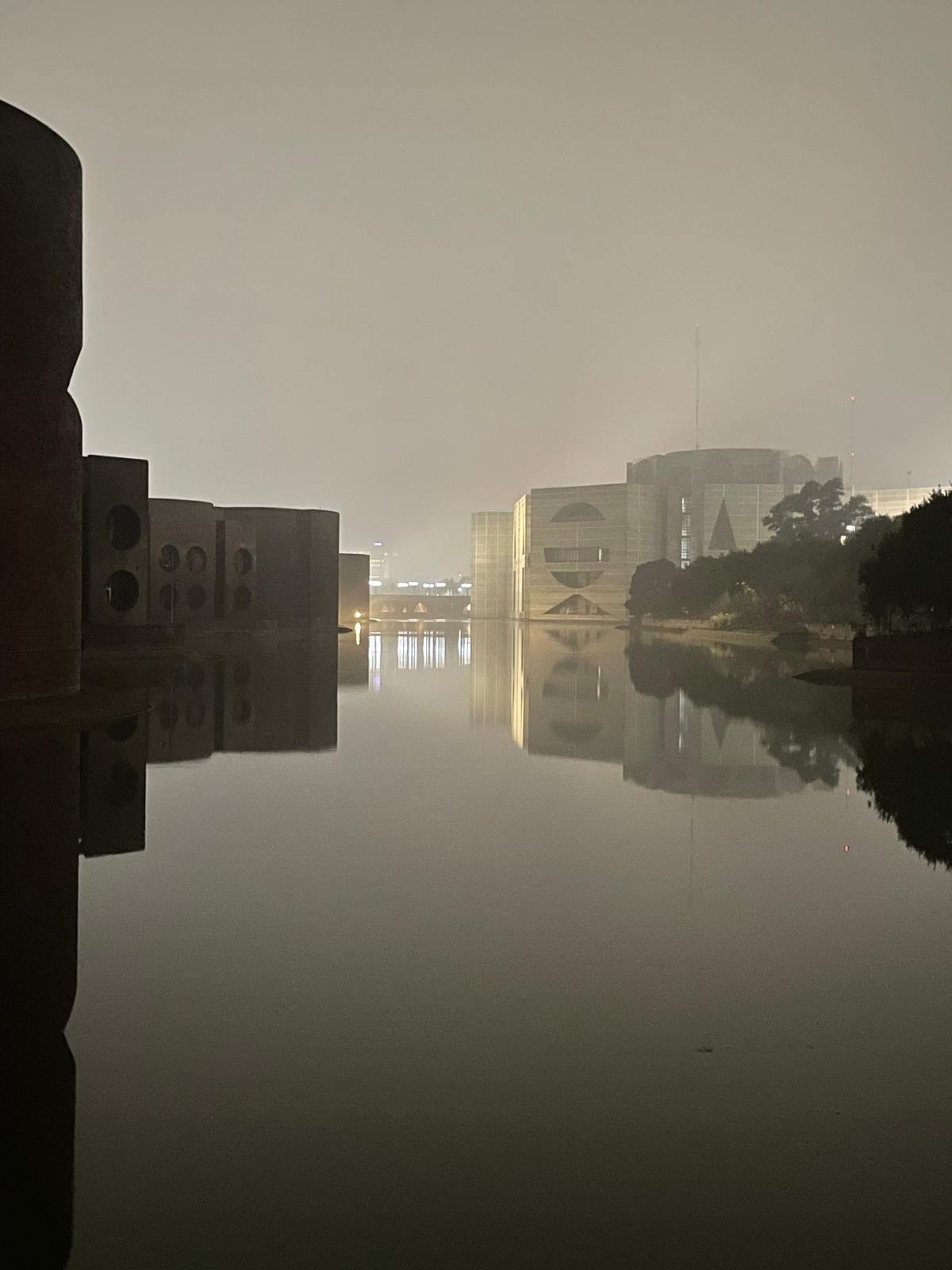
The National Parliament Building at night